
“I no longer feel inclined to make comments on my own work, which I feel should speak for itself.” (qtd.…
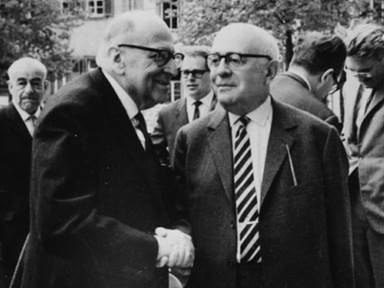
Introduction Theodor Adorno was a philosopher, critic, and theorist who generated a vast body of works on many aspects of…
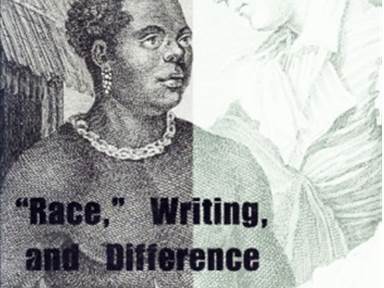
“Colonial racism is no different from any other racism.” – Frantz Fanon A Need To Talk Back While African American…
About Postcolonial Studies
The field of Postcolonial Studies has been gaining prominence since the 1970s. Some would date its rise in the Western academy from the publication of Edward Said’s influential critique of Western constructions of the Orient in his 1978 book, Orientalism. The growing currency within the academy of the term “postcolonial” (sometimes hyphenated) was consolidated by the appearance in 1989 of The Empire Writes Back: Theory and Practice in Post-Colonial Literaturesby Bill Ashcroft, Gareth Griffiths, and Helen Tiffin.
About this Site
Available since 1996, the current version of this site (Postcolonial Studies @ Emory 3.0) combines early features of digital scholarship with its newest ones. In its original incarnation, this web site aimed to furnish information, a distinctive attribute of digital humanities 1.0. In successive revisions, the site began to incorporate facets of Web 2.0: user production of limited content, commentary, and tagging. Postcolonial Studies @ Emory 3.0 now aims to include crowd-sourced content for its section on “Book Reviews” and “The Digital Bookshelf.”